gxdynasty

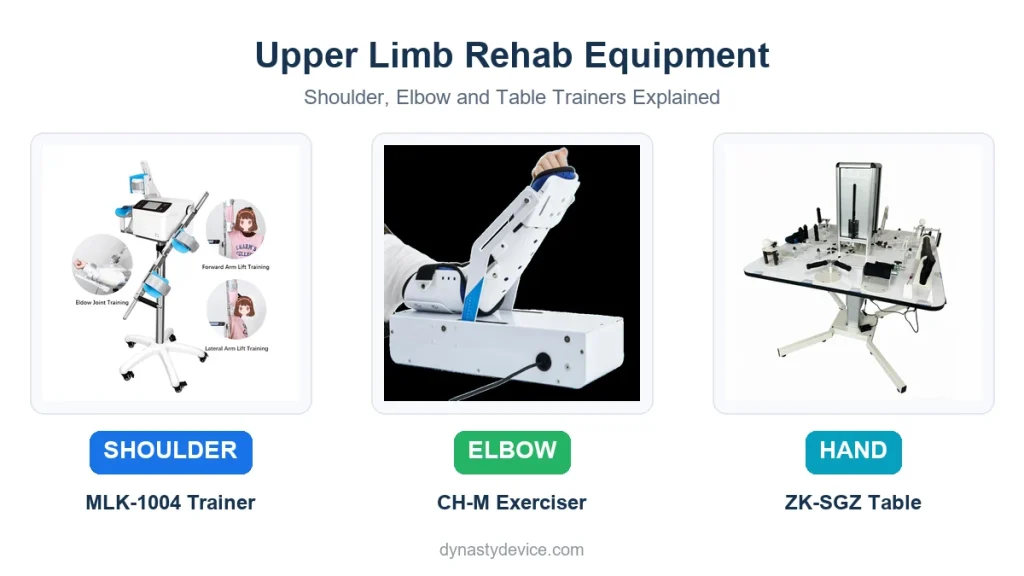
Upper Limb Rehabilitation Equipment: Shoulder, Elbow and Table Trainers Explained

Upper limb recovery is where rehabilitation programs succeed or stall. After a stroke, fracture or shoulder surgery, regaining arm function depends on repeatable, measurable training — and that is exactly what dedicated upper limb rehabilitation equipment provides. In this guide we break down three device types that cover the whole arm: a multifunctional shoulder and

Upper Limb Rehabilitation Equipment: Shoulder, Elbow and Table Trainers Explained Read More »

rTMS vs tDCS vs CES neurostimulation devices comparison

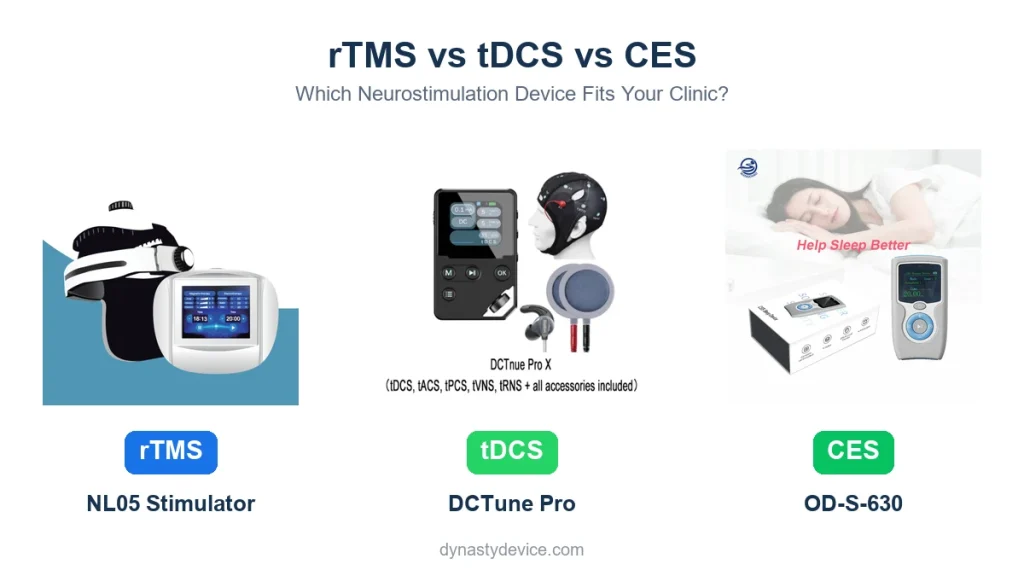
rTMS vs tDCS vs CES: Which Neurostimulation Device Fits Your Clinic?

Neurostimulation has moved out of specialist labs and into rehabilitation centers, wellness programs and home care. As inquiries pour in, three acronyms keep coming up: rTMS, tDCS and CES. They all belong to the non-invasive brain stimulation family, but they work in different ways, suit different settings, and answer different clinical questions. This guide compares

rTMS vs tDCS vs CES: Which Neurostimulation Device Fits Your Clinic? Read More »

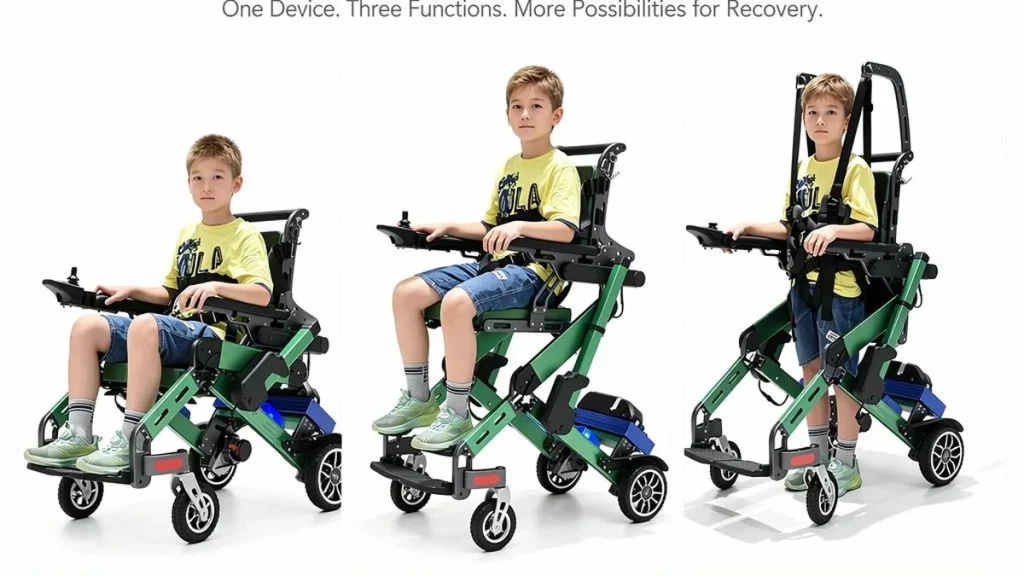
How to Choose a Standing Wheelchair: A Buyer’s Guide for Clinics and Families

–> Standing wheelchairs have become one of the most requested categories in rehabilitation equipment procurement. Clinics want them for gait training programs, nursing homes want them for pressure care, and families want them for daily independence. But with child models, adult models, sit-to-stand mechanisms and folding power alternatives on the market, choosing the right one

How to Choose a Standing Wheelchair: A Buyer’s Guide for Clinics and Families Read More »

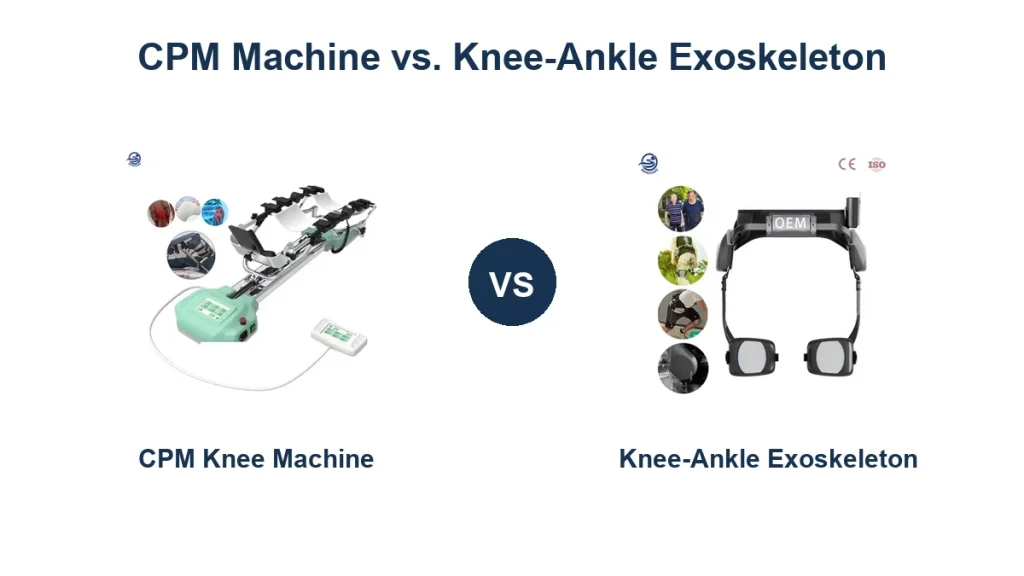
Exoskeleton Robot vs CPM Machine: Which Rehab Device Do You Need?

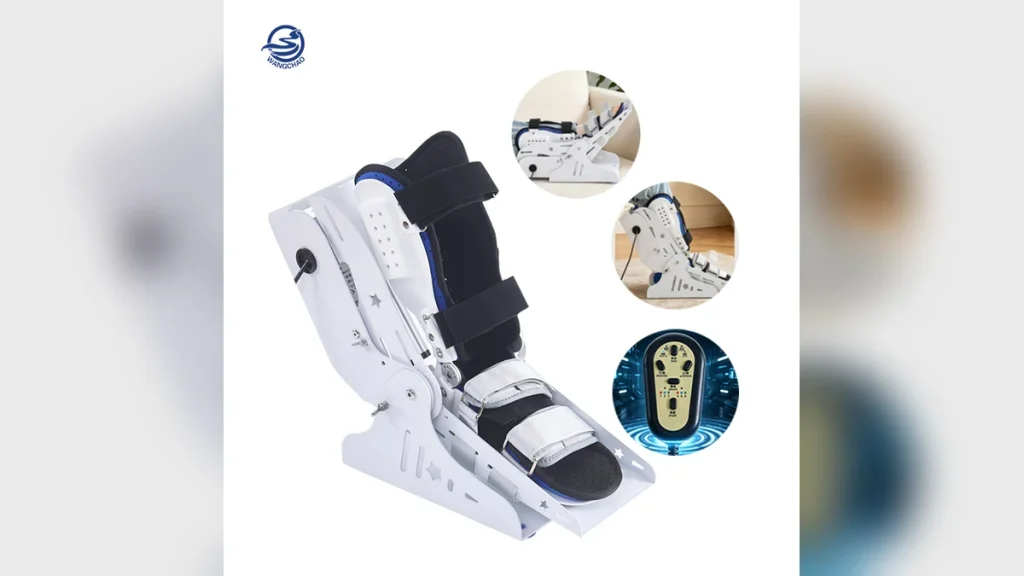
Introduction Choosing the right rehabilitation device can directly affect recovery speed, patient compliance, and your return on investment. For clinics, distributors, and procurement teams, the two most commonly compared categories are exoskeleton robots and CPM machines. They sound similar — both are used after injury or surgery — but they solve very different problems. CPM

Exoskeleton Robot vs CPM Machine: Which Rehab Device Do You Need? Read More »

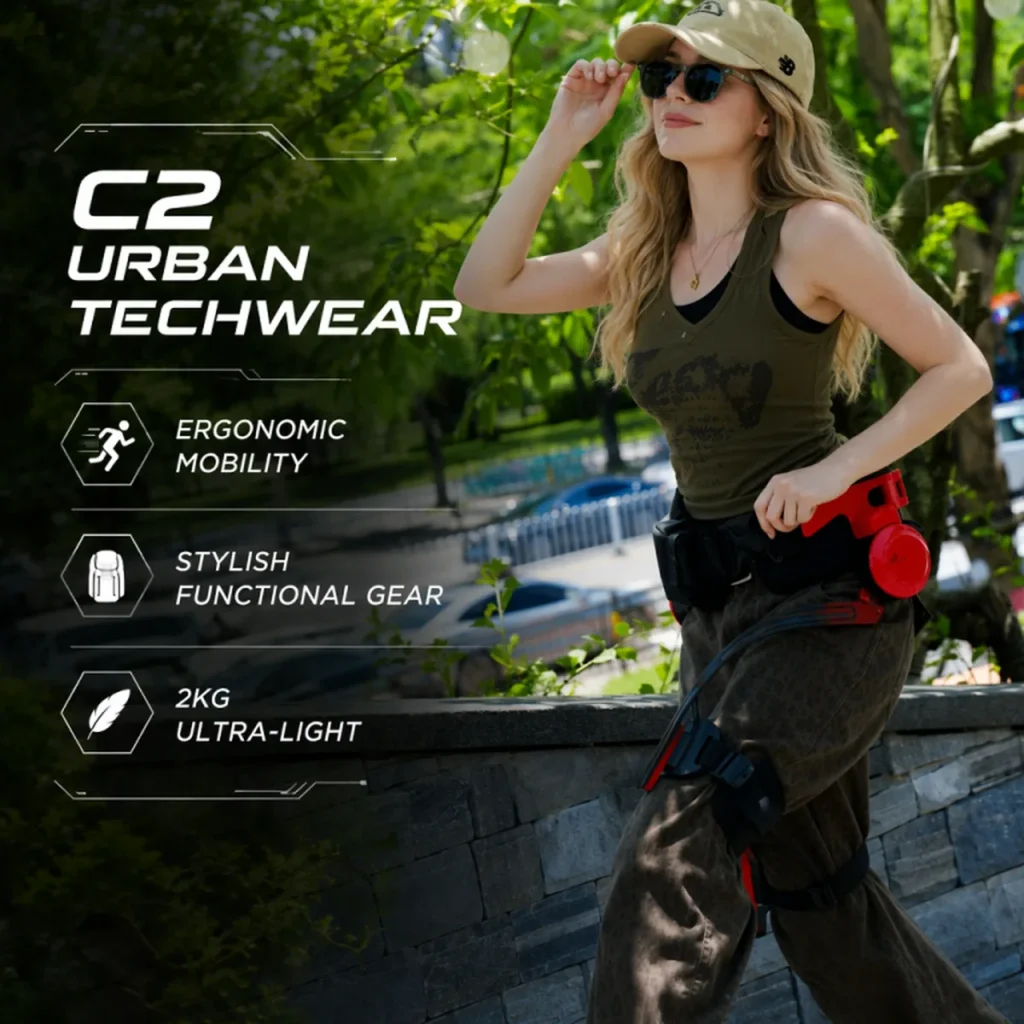
C2 AI exoskeleton worn for urban walking - 2kg ultra-light carbon fiber wearable robot

How to Choose a Rehabilitation Exoskeleton Robot: A Buyer’s Guide

How to Choose a Rehabilitation Exoskeleton Robot: A Buyer’s Guide for Clinics & Distributors Rehabilitation exoskeleton robots have moved from research labs into rehabilitation centers, homecare settings and even outdoor use. For clinics, distributors and importers, the challenge is no longer whether the technology works — it is which exoskeleton fits your users, your market

How to Choose a Rehabilitation Exoskeleton Robot: A Buyer’s Guide Read More »

CPM Machine Certifications Explained: CE, FDA & ISO 13485 for Global Buyers

CPM Machine Certifications Explained: CE, FDA & ISO 13485 for Global Buyers If you source continuous passive motion (CPM) machines to resell, the certificate folder matters as much as the unit price. Hospital tenders, pharmacy chains and clinic groups in most markets will not sign a purchase order without proof the device is legally placed

CPM Machine Certifications Explained: CE, FDA & ISO 13485 for Global Buyers Read More »

How to Choose a CPM Machine: A Buyer’s Guide for Clinics & Distributors

How to Choose a CPM Machine: A Buyer’s Guide for Clinics & Distributors A continuous passive motion (CPM) machine moves a patient’s joint through a controlled range of motion without voluntary muscle effort. First adopted widely after total knee arthroplasty (TKA), CPM is now standard in orthopaedic rehab, stroke recovery and post-surgical protocols across clinics

How to Choose a CPM Machine: A Buyer’s Guide for Clinics & Distributors Read More »

sales@dynastydevice.com
Copy EmailOpen Mail App
WeChat QR code
WeChat ID: wxid_i98vamdxk0qw22
Copy WeChat ID