
Introduction
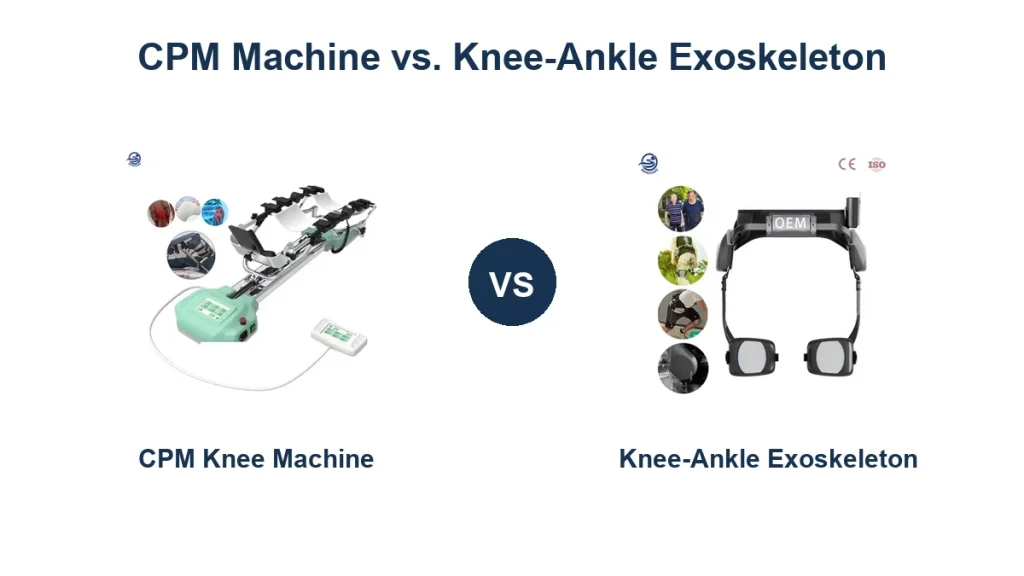
Choosing the right rehabilitation device can directly affect recovery speed, patient compliance, and your return on investment. For clinics, distributors, and procurement teams, the two most commonly compared categories are exoskeleton robots and CPM machines.
They sound similar — both are used after injury or surgery — but they solve very different problems. CPM machines keep a joint moving passively in the early healing phase. Exoskeleton robots help patients relearn active movement and rebuild walking ability in later stages.
In this guide, we compare how each device works, who benefits most, and how to decide which one fits your clinical workflow or distribution portfolio. We also explain why many rehab centers use both devices along the same recovery pathway.
If you are already evaluating specific devices, you can read our dedicated guides on how to choose a rehabilitation exoskeleton robot and how to choose a CPM machine.
What Is an Exoskeleton Robot?
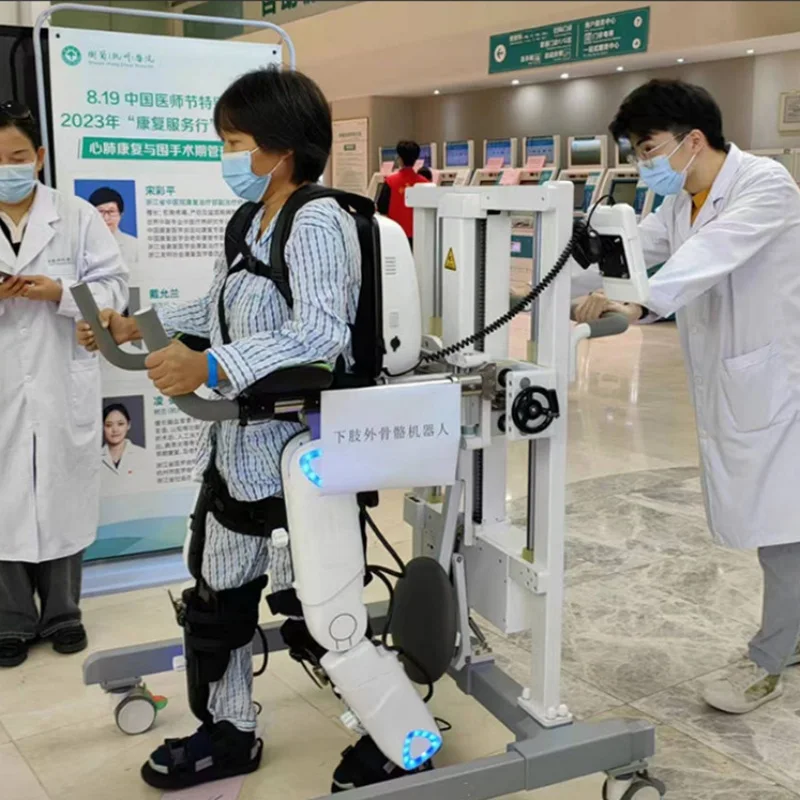
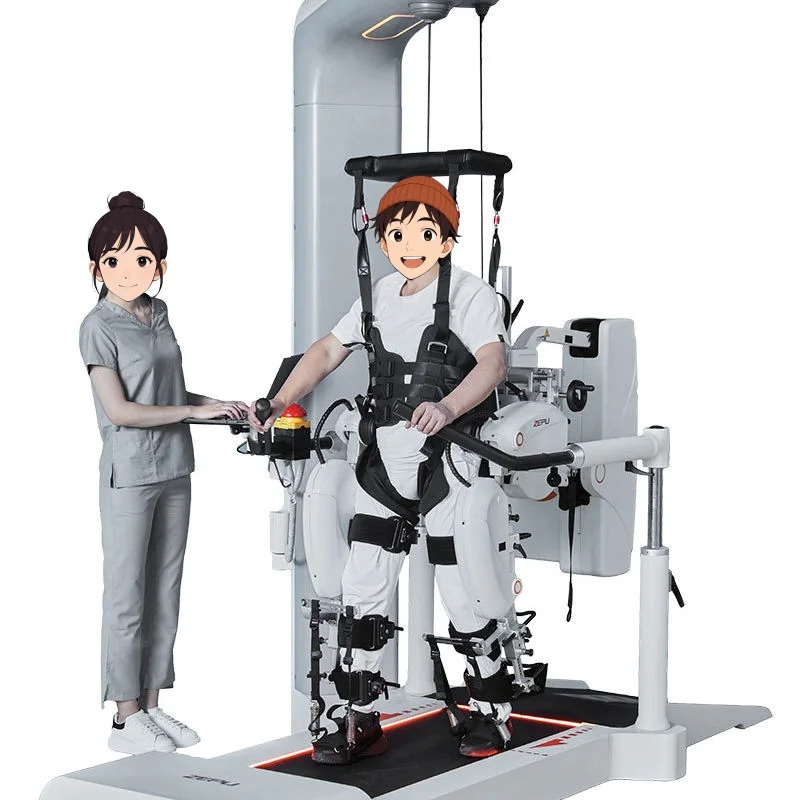
An exoskeleton robot is a wearable powered frame that supports or drives a patient’s limbs during movement. Modern rehabilitation exoskeletons use motors, sensors, and AI-driven gait recognition to detect the user’s intention and provide the right amount of assistance at each step.
They are most often used for lower-limb rehabilitation, including:
- Post-stroke gait retraining
- Spinal cord injury recovery
- Knee or hip rehabilitation after surgery
- Elderly gait training and fall prevention
- Neurological conditions such as Parkinson’s disease
The key advantage is active participation. Unlike passive devices, the patient must engage their own muscles while the exoskeleton provides support and correct movement patterns. This helps rebuild neuromuscular control, which is critical for long-term functional recovery.
Our product range includes devices for different patient profiles, from the ultra-light C2 AI Exoskeleton suitable for active adults, to the AI Lower Limb Exoskeleton designed for clinical gait training with adjustable speed and dynamic weight support.
What Is a CPM Machine?
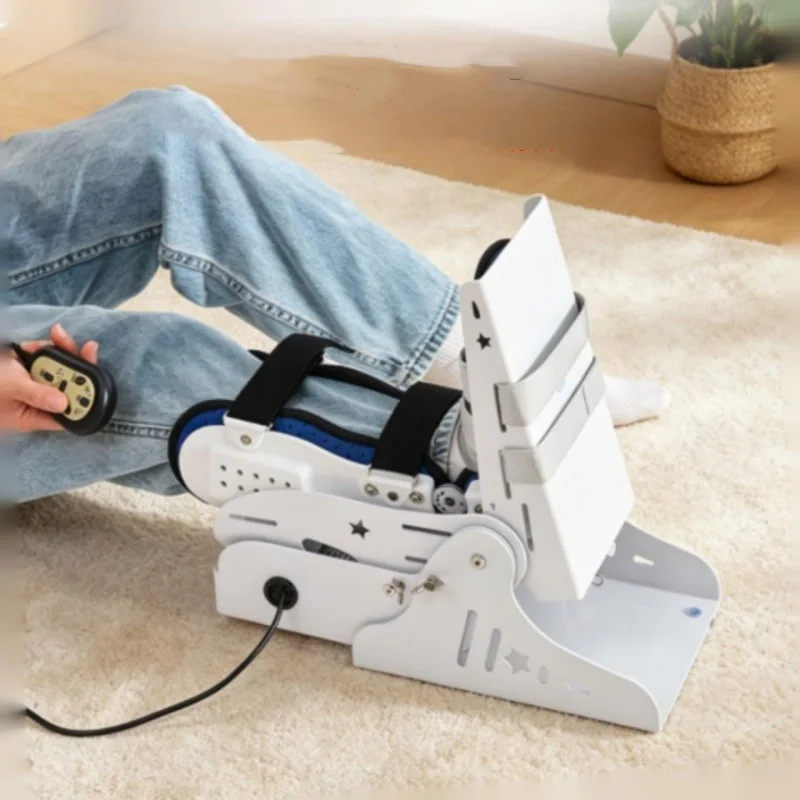
A Continuous Passive Motion (CPM) machine is a motorized device that gently moves a joint through a controlled range of motion without the patient actively contracting muscles. The patient places the limb in a padded support, and the machine repeatedly flexes and extends the joint at a set speed and angle.
CPM machines are typically used in the early post-operative period, especially after:
- Total knee replacement
- Knee ligament reconstruction
- Hip surgery
- Elbow or shoulder procedures (with upper-limb CPM units)
The main goal is to prevent stiffness, reduce swelling, and maintain joint range of motion while the tissue is still healing. Because the movement is passive, patients can start therapy very soon after surgery, sometimes within hours.
For procurement teams, CPM units are generally more compact and easier to deploy than full exoskeleton systems. You can explore our CPM Knee Machine, Upper Limb CPM, and YTK-E Upper Limb CPM product pages for detailed specifications.
Exoskeleton vs CPM: Key Differences at a Glance
| Feature | Exoskeleton Robot | CPM Machine |
|---|---|---|
| Movement type | Active or active-assisted | Passive |
| Patient involvement | Patient must engage muscles | Patient relaxes while machine moves the joint |
| Typical use phase | Mid-to-late rehab, gait retraining | Early post-surgery, immediately after immobilization |
| Main goal | Restore walking, strength, and neuromuscular control | Maintain range of motion, reduce swelling, prevent stiffness |
| Common applications | Stroke, SCI, elderly gait training, post-surgery walking recovery | Knee/hip/shoulder surgery, ligament repair, joint replacement |
| Mobility focus | Full-body gait and balance | Single-joint range of motion |
| Supervision level | Often requires therapist support | Can be used bedside or at home with basic instruction |
| Procurement profile | Higher-value, longer-term ROI | Lower entry cost, fast deployment |
Both devices can be CE certified and supplied under OEM/ODM arrangements. For a deeper look at certification requirements, see our article on CPM machine certifications.
How Each Device Supports Recovery
Exoskeleton: Active Neuroplasticity
The human nervous system recovers best when it practices correct movement patterns repeatedly. Exoskeletons make this possible even when the patient is too weak to walk unaided. By providing partial body-weight support and guiding the legs through a normal gait cycle, the device reinforces the brain-muscle connection that patients need to regain independent walking.
Key therapeutic effects include:
- Repetition of normal gait patterns
- Improved weight-bearing and balance
- Reduced risk of disuse atrophy
- Increased patient motivation through visible progress
CPM Machine: Safe Early Motion
After surgery, joints are prone to stiffness and adhesions. CPM machines solve this by moving the joint continuously within a safe, pre-set range. This happens while the patient is resting, which reduces pain and muscle guarding.
Key therapeutic effects include:
- Early mobilization without stressing healing tissue
- Improved lymphatic drainage and reduced swelling
- Maintained range of motion during the inflammatory phase
- Lower risk of post-operative complications such as joint contracture
Neither device replaces the other. CPM protects the joint early; exoskeletons rebuild function later.
Who Should Choose an Exoskeleton?
An exoskeleton robot is the better choice when the primary goal is active movement recovery, especially for patients who need to relearn how to walk.
Consider an exoskeleton if you serve:
- Neurological rehab centers treating stroke, spinal cord injury, or Parkinson’s disease
- Elderly care facilities focused on gait training and fall prevention
- Hospitals running post-surgical walking rehabilitation
- Distributors looking for high-value robotic rehab equipment with OEM/ODM support
Exoskeletons also create a strong clinical differentiator. A center that offers robot-assisted gait training can attract more referrals and justify premium service pricing.
Who Should Choose a CPM Machine?
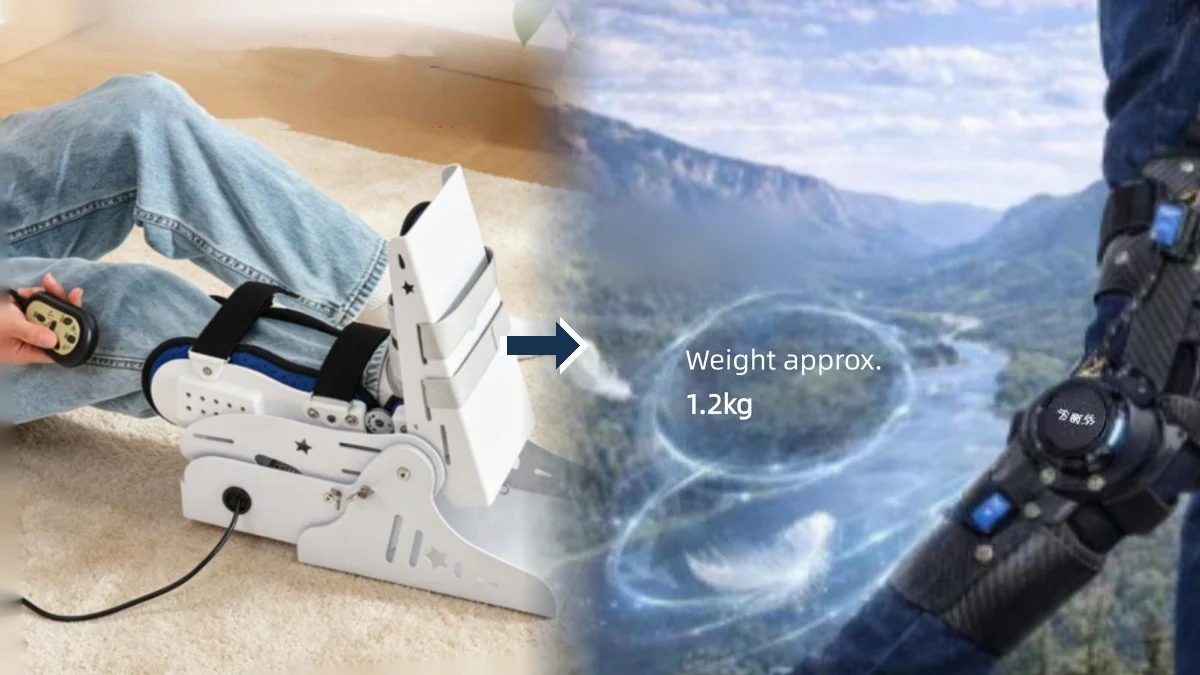
A CPM machine is the better choice when the priority is safe, controlled joint motion in the early recovery phase.
Consider a CPM machine if you serve:
- Orthopedic wards after knee or hip replacement
- Outpatient clinics managing post-operative joint stiffness
- Homecare providers who need portable, easy-to-use devices
- Buyers with limited budgets who want to add rehab equipment quickly
CPM machines require less staff training and can be used with minimal supervision. They are a practical entry point into the rehab equipment market.
Can They Work Together?
Yes. In fact, the most effective rehab pathways often use CPM first and exoskeleton second.
A typical knee-rehab journey looks like this:
- Days 1–7: CPM machine maintains range of motion and reduces swelling after surgery.
- Weeks 2–4: Patient begins assisted standing and partial weight-bearing with therapist support.
- Weeks 4–8: Exoskeleton-assisted gait training rebuilds walking pattern, strength, and confidence.
- Weeks 8+: Patient progresses to unassisted walking and home exercise programs.
This sequence uses the strengths of each device at the right time. CPM protects the joint early, while the exoskeleton drives functional recovery later.
Cost & Procurement Considerations
When sourcing either device, procurement teams should look beyond the unit price and consider total cost of ownership and commercial flexibility.
At Dynasty Device, our rehabilitation equipment is offered with:
- MOQ: 1 unit, so you can start with a sample or single-unit order
- Sampling time: about 7 days for OEM/ODM evaluation
- Standard lead time: 10–15 days after order confirmation
- Warranty: 1 year per unit
- Certifications: CE certified, with RoHS for applicable models, plus EU Representative and Germany EPR support for EU market compliance
- Customization: OEM/ODM services including logo, color, and packaging
These terms apply to both exoskeleton and CPM product lines, making it easier to build a mixed rehab-device portfolio.
How to Decide: A Quick Checklist
- Is the patient in the first 1–2 weeks after joint surgery? → Choose a CPM machine.
- Does the patient need to relearn walking or regain lower-limb function? → Choose an exoskeleton.
- Is the goal to prevent stiffness and maintain range of motion? → Choose a CPM machine.
- Is the goal active neuroplasticity and gait retraining? → Choose an exoskeleton.
- Do you want a low-cost entry into rehab equipment distribution? → Start with CPM machines.
- Do you want a high-value robotic device for clinic differentiation? → Add exoskeletons.
If your budget and workflow allow, the best answer is often both, used at different stages of recovery.
FAQ
What is the difference between an exoskeleton robot and a CPM machine?
An exoskeleton robot helps patients perform active movement, usually for walking or gait retraining. A CPM machine moves a joint passively through a set range of motion, typically in the early post-operative phase.
Which is better for early post-surgery recovery, CPM or exoskeleton?
CPM machines are better for early post-surgery recovery because they provide gentle, controlled joint motion without requiring active muscle effort. Exoskeletons are used later when the patient is ready for active gait training.
Can a clinic use both a CPM machine and an exoskeleton?
Yes. Many clinics use CPM in the early stage to maintain range of motion, then transition to exoskeleton-assisted gait training as the patient regains strength and mobility.
How much does a rehabilitation exoskeleton or CPM machine cost?
Pricing depends on model, features, and order volume. We support MOQ 1 unit and offer OEM/ODM customization. Contact us for a detailed quote.
Do you provide OEM and customization for rehab devices?
Yes. We offer OEM/ODM services including custom logo, color, and packaging, with sampling normally completed in about 7 days.
What is the lead time and minimum order quantity?
Our MOQ is 1 unit. Standard lead time is 10–15 days after order confirmation, and sample production usually takes about 7 days.
Conclusion
Exoskeleton robots and CPM machines are not competitors — they are complementary tools for different stages of recovery. CPM machines protect the joint and maintain range of motion early. Exoskeleton robots help patients rebuild active movement, strength, and walking ability later.
For clinics, distributors, and rehabilitation centers, the right choice depends on your patient population, clinical goals, and budget. If you serve post-surgical patients, start with CPM. If you treat neurological or mobility-impaired patients, invest in exoskeleton technology. For a complete rehab service, both devices together cover the full recovery pathway.
Ready to add the right rehab device to your portfolio? Send us an inquiry for product specifications, OEM options, and a custom quote.